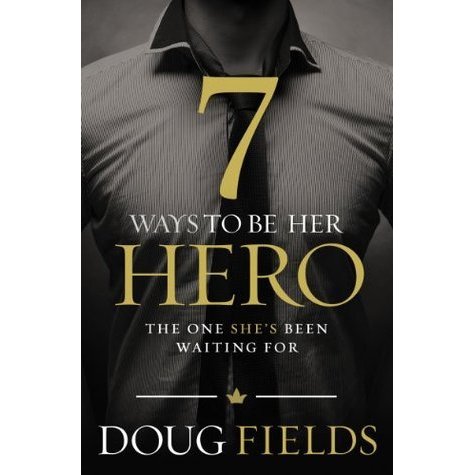
by Doug Fields
– Any guy can fall in love, but it takes something special to stay in love.
– Ecclesiastes 2:11 — chasing the wind. A man may not be having an affair with
another woman but if he is in love with this laptop, job, phone and technology, he is
chasing the wind and his marriage will never get better.
– There’s only one thing that God says that a man is to “be one” with and that is not his
job, career, etc., it’s his wife. If a man is chasing anything else besides his wife, he’s
chasing the wind.
– Remember the days when you were dating and you chased your wife and always
wanted to be with her, give her gifts, put on cologne, act romantic, etc.? Well we have
to return to those days at chase our wives again.
– Marriage was not mans idea at all, it was God’s idea. Sex was created by God. The
Bible is not at all quiet about sex.
– One heart. In marriage, when you wound 1 heart, you are really wounding 2 — hers
and yours. Imagine a rifle in which the barrel doubles back around. That is exactly
what is happening to our relationships when we try to hurt our wives weather verbally,
emotionally, etc.
– Your responsibility as a husband is to identify what baggage may have in her life
(stress, anger, problems, etc.) and help her remove it.
– Don’t just help your wife because you want more sex, help her because she has the
other half of your heart.
1. Don’t Say Everything you Think.
– Making hurtful or mean spirited comments will not help anything.
– It may be hard to not say things that you’re thinking, but it is even harder when
you are tired, discouraged, frustrated, etc.
1 7 Ways t be her Hero by Doug Fields Book Summary by Jeffrey Bush
– Proverbs 17:28 — “Even a fool, when he holdeth his peace, is counted wise: and
he that shutteth his lips is esteemed a man of understanding.”
– Proverbs 10:19 — “In the multitude of words there wanteth not sin: but he that
refraineth his lips is wise.”
– It does not have to be verbal communication that could harm our wives –
shrugging shoulders, moving head, rolling eyes, etc.
– Proverbs 20:3
– Proverbs 21:23 – Hold your tongue. You can save a lot of grief by simply holding
your tongue and not saying anything.
– Almost anything can be said and handled if you’ll just state it in a genuinely,
loving way and in a timely sort.
– You do not have to make a big deal out of every little thing.
2. Say what is Powerful.
– Sadly we say what we should not say do not say what we should say.
– Destructive words destroy marriages and healthy words build marriages.
– A man’s number one need may be sex, but a woman’s number one need is
unconditional love. Vocalizing your love with words is so important.
– Think of your words like little gifts rolling out of your mouth – we might not be the
best with buying gifts, but using the right words are gifts.
– The right words at the right time in the right way go right to your wife’s spirit.
– Your wife needs affirmation and it is within your power to give it to her.
– If you think something positive, say it.
– Set a reminder if you have to, to remind you to say something nice to your wife
every day, until it becomes a habit.
– Text your wife whenever you think about her. Remember that a compliment does
not only have to be verbal.
2 7 Ways t be her Hero by Doug Fields Book Summary by Jeffrey Bush
– When you have a thought, write it down – it doesn’t have to be a long letter, just
write a little note and tell her what you’re thinking. Put it in her car, put it in her
drawer, put it in the fridge or wherever she will see it.
– Your wife must know that she is the only one who can fulfill your physical love.
– Don’t give up, stay in the battle. No one else can fulfill your physical but your wife
and if you do not realize this, you will think that masturbation, or pornography or
an affair will be ok.
3. Don’t Say Anything – Learn to be a World-Class Listener.
– You might not think that your communication with your wife is that important, but
she does think it is. In fact, becoming a good listener could be the reason that
you’re not having as much sex.
– To many women, a good listener is sexy.
– Listening is like foreplay for a woman.
– Men like to dominate so therefore we do the talking and never listen – big
mistake.
– No one is interested in being in a relationship with a world-class talker.
– James 1:19 — “Wherefore, my beloved brethren, let every man be swift to hear,
slow to speak, slow to wrath”
– Your body language speaks just as loud, if not louder, than your verbal language.
So make sure when you’re listening, that you do not appear that you don’t want
to be there or that you’re disinterested.
– You may think that you are a great listener, but if she does not think that then it
really does not matter. You better make sure that it comes across that she
believes you are a good listener.
4. Go Big with Small Things.
– It’s the small things that can make a marriage better – not the big leaps and
changes.
3 7 Ways t be her Hero by Doug Fields Book Summary by Jeffrey Bush
– Getting off by just 1° later down the road could make it where you are on totally
separate solar systems.
– Serving your wife at the very small areas will add up and pay off.
– The big acts that we think about like buying her a car, taking her on a trip, etc.,
do not require us to serve her, but the little things do. Turning off the light for her,
getting her a drink, helping her out with something, etc. are all small things but
very key.
– You can put your marriage back on course if you will learn to master the little
things.
– Doing the small things, just once a day, will become a habit and your marriage
will improve.
– You will be more like Jesus when you serve. He did not come to this world to be
served but to serve.
– Serve her like you would serve Jesus.
– If you asked yourself on your way home from work what it would look like to
serve your wife and serve Jesus, what would that look like when you got home…
What could you do for her?
5. Be Liberal with Touch but not That Way.
– There is such a thing called touch that is not sexual.
– There is such a thing called skin hunger, being deprived of touch.
– Hug your wife without having a sexual agenda.
– A man who provides his wife with nonsexual touch will usually end up getting
more sex than the husband who does not give nonsexual touch.
– Science proves to us that if a baby does not get enough touch in the first couple
of years of their life, negative consequences could happen.
– Your wife needs your touch – a kiss on the cheek, a massage, hand on shoulder,
holding hands, touching her arm, etc.
4 7 Ways t be her Hero by Doug Fields Book Summary by Jeffrey Bush
– If your wife’s skin hunger is being starved, than both your sex life and marriage
will be affected by it.
– Pornography is artificial sex – it’s like filling yourself with junk food when God has
a banquet awaiting you.
– If you will begin to fulfill your wife’s skin hunger, you will not regret it.
6. Put your Pride Aside. – God wants to clean up our heart, change things and make us like to His image.
– The hardest thing to get rid of and cleanup is our pride.
– Pride causes us to blame and destroys more marriages than infidelity.
– Pride leads to disgrace – Proverbs 11:2
– Pride destroys – Proverbs 29:23
– When we allow God to circumcise the pride out of our life, it can be painful but
will save our marriage.
– Humility has nothing to do with weakness. Humility is actually strength to
recognize that God is God.
– Humility is strong enough to keep its mouth shut. Humility will build up your wife
with words instead of eating the words itself. Humility is willing to ask questions.
Humility is willing to listen without having to rush back. Humility is willing to say I
am sorry and I was wrong.
– Recognize your mistakes, ask forgiveness for them, remove them and forget
them.
7. Shepherd your Wife’s Heart. – We must learn to shepherd our own hearts and then that of our wife’s.
– A shepherd watches his flock, cares for them and watches out for bad wolves.
– We need to learn to shepherd our wife’s heart and that is not easy, it will take
time.
5 7 Ways t be her Hero by Doug Fields Book Summary by Jeffrey Bush
– She is more than worthy of the effort, after all that is why I married her.
– Her heart is so much more tender and sensitive than mine.
– Shepherd her heart because God wants to see her blossom through you helping
her.
– To shepherd her heart, it requires diligence and attention.
– Tell her often who she is. Beliefs shape our behavior. If we were ever told that we
are good for nothing, we begin to believe it and it hurt us. If we don’t think we are
anything, we will begin to believe a lie and not take care of ourselves. And
women are some of the most lied to people on this planet – they are told that
they have to be skinny, have high cheekbones, etc. The message is often loud
and clear that a woman does not measure up. She must be told and reminded
who she is.
– Tell her daily that you love her, that she is special, that you’re happy to be
married to her, etc.
– Let her know that she is excepted and loved by you.
– She should be accepted to you as you are to Jesus. She should be able to look
into your eyes and know that she has been accepted by you.
– A husband can form his wife’s self image for the positive by always affirming her
and telling her how special she is.
– A man can never be a good groom to his wife until he has been a good bride to
Jesus.
– Your intimacy with Jesus will affect your relationship with your wife.
– Women need to know that they are beautiful, but they need to know about their
heart as well – tell her how you love her more than just her physical beauty.
– Be the man that she can respect. Get help and stay away from pornography.
– Be her friend. How about some walks together or some kind of activities both of
you can do together. Time to bring friendship back into the relationship.
– Your wife may not treat you the way you think you should be treated even if you
shepherd her heart, but shepherd her heart with the right motive and after time
you will be greatly rewarded.
6 7 Ways t be her Hero by Doug Fields Book Summary by Jeffrey Bush
– There’s no joy or no job as great as shepherding our wives.
Love:
– Love her as Christ loved the church – Ephesians 5:25
– We are to think of our wives before we think of ourselves.
– Any hero understands that sacrifices need it the most married man will sacrifice for
their wife and children. But sacrifice is not the only thing that is needed, we cannot
keep silent. You must speak up and fix things and marriage. Loving your wife as
Christ loved the church does not mean silence, it means getting things right. Get
professional counseling if that’s what’s needed. If you do not speak up, you will one
day regret it.
Time:
– Everyone is busy (raising children, keeping a job, upkeep of the house, etc.) but the
problem with a busy life is that it makes for a busy marriage… which can lead to a
empty marriage.
– Busyness does not kill a marriage, but it weakens you and as a result you can kill
your marriage.
– Some of us are so over-connected with others (via social media), that we are under-
connected with the ones we love the most (actually communicating with them).
connected with the ones we love the most (actually communicating with them).
– You must pause and take the time. If you are always busy, there will never be enough
time and you will never come around to it.
– Don’t be a drive-by husband, actually take time for and to be with each other.
– Hurry runs but love walks.
– You could be so much in a hurry and rush through life that you never take the time to
stop and ask each other how you’re doing and how you can improve your marriage.
7 7 Ways t be her Hero by Doug Fields Book Summary by Jeffrey Bush
– Your wife and marriage are worth the effort, so chase her.
– Experience one with your wife why is God’s goal in your marriage.
– Becoming a good husband is not a sprint, it’s a marathon.
8 7 Ways t be her Hero by Doug Fields


 Worldwide Missions
You must be logged in to post a comment.